“I’m worried the Hair System will look artificial.”
That is why there is a specific section focused on the hairline, density, hair direction, distribution, and finishing. These are the details that help create a more natural-looking result.
Even if you have never made a Hair System, never worked with hair, and do not even know which materials to buy. Learn step by step how to take measurements, create the mold, prepare the base, implant the hair, control direction and density, create a natural-looking hairline, finish and maintain men’s and women’s Hair Systems, and discover how to start turning this skill into a new source of income.

For only $19.99, you will learn a skill used to create professional pieces that, depending on the materials, hair, and level of customization, can sell for hundreds or even thousands of dollars.
You may have seen a Hair System transformation so natural that you wondered: “How do they make it look like real hair?”
CHOOSE THE MATERIALS AND PREPARE THE MOLDUnderstand what you really need to get started, learn how to take accurate measurements, and create the mold that will guide the construction of the piece.
PREPARE THE BASE AND IMPLANT THE HAIRLearn how to prepare different types of bases and insert the hair while controlling distribution, direction, and spacing during the construction process.
CREATE NATURAL DENSITY, DIRECTION, AND HAIRLINELearn how to work on the details that can make a major difference between an artificial-looking piece and a professional-looking Hair System.
FINISH AND MAINTAIN THE PIECELearn finishing, inspection, cleaning, care, small repairs, and hair replacement techniques to properly maintain the Hair System.
That is why there is a specific section focused on the hairline, density, hair direction, distribution, and finishing. These are the details that help create a more natural-looking result.
You will learn techniques and tools that allow you to begin with manual methods, as well as other options you can use later if you want to speed up production.
You can start making your first pieces in a simple workspace without having to immediately set up a salon or invest in a large professional structure.
You can begin by practicing the construction process and, as you develop your technique, also learn about costs, pricing, suppliers, orders, and customer service.
Throughout the course, you will learn about different types of bases, hair, densities, measurements, and finishes used to create professional Hair Systems.
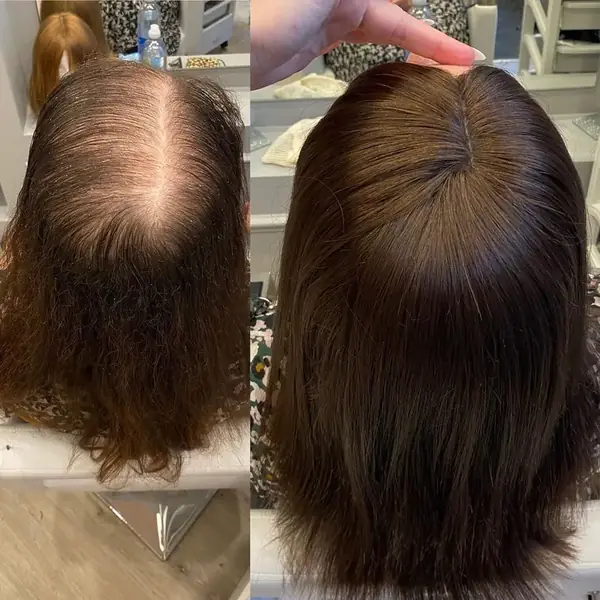
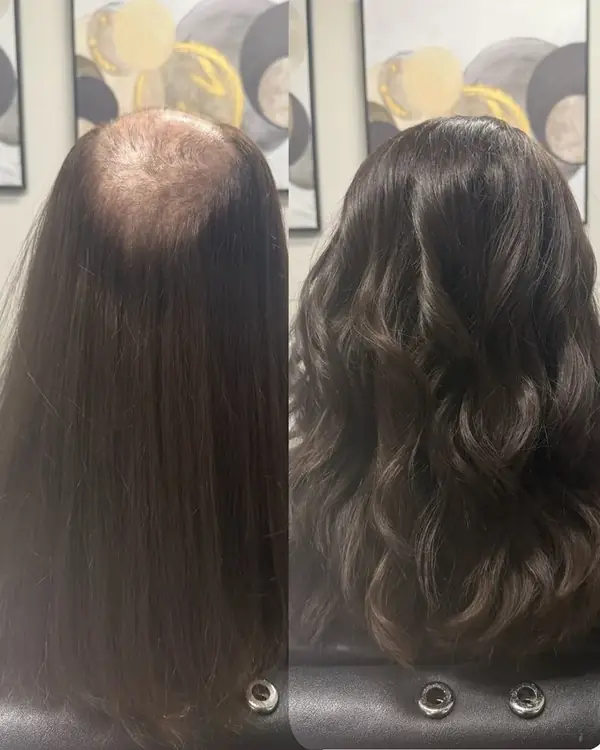
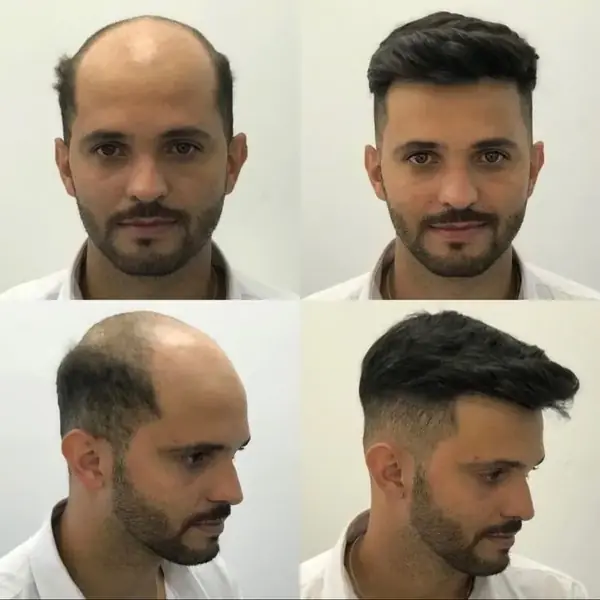
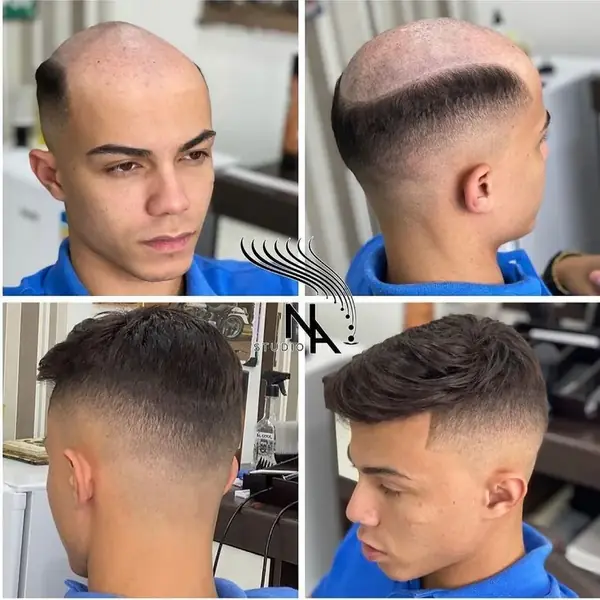
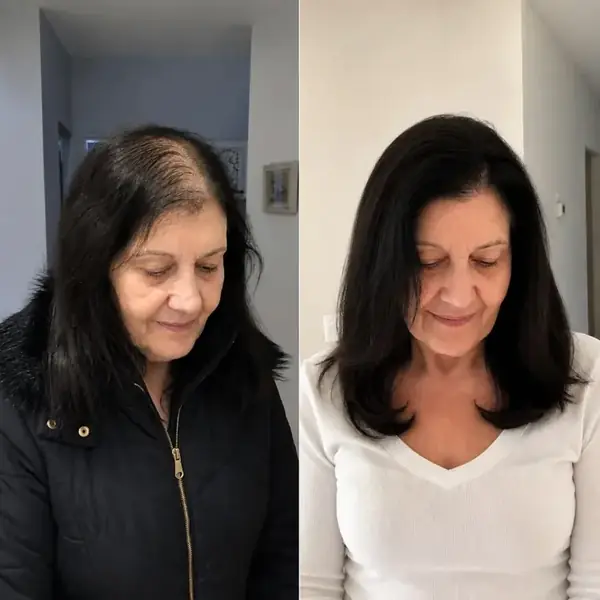
You will not be limited to just one type of piece. Throughout the modules, you will learn about different bases, measurements, hair types, textures, densities, directions, and finishes to understand the principles used to create both men’s and women’s Hair Systems.
You do not need to waste time trying to figure out which video to watch first or gathering information scattered across the internet. Laura Davies organized the Hair Systems From Scratch method into a clear sequence so you can start from zero and progress step by step.
What a Hair System is, the differences between men’s and women’s models, types of bases, hair, materials, tools, and products used during construction.
How to take accurate measurements, define the area, plan the hairline, and prepare the mold for construction.
The main types of bases, differences between materials, how to choose the right option, and how to prepare the structure to receive the hair.
Learn the process of hair insertion and ventilation, as well as distribution, direction, spacing, and construction of the piece.
Learn how to control density, hair placement, direction, spacing, the hairline, and finishing to avoid an artificial-looking result.
Understand how bases, measurements, hair types, textures, densities, and construction techniques can vary depending on the Hair System being created.
Learn how to inspect the piece, identify construction mistakes, make adjustments, and improve the final finish.
Cleaning, base care, preservation, small repairs, and hair replacement techniques that can help extend the life of the Hair System.
Costs, pricing, orders, suppliers, customer service, and the first steps to start offering your Hair Systems.
Everything in a simple sequence so you know exactly what to do at each stage.
There is nothing better than hearing from people who also started without knowing how to make a Hair System and decided to put what they learned into practice.


You can start with your first Hair System too.
Behind every natural-looking Hair System is someone who had to learn how to create the mold, prepare the base, implant the hair, control the direction, work with density, build the hairline, and finish the piece.
And depending on the type of base, hair quality, size, and level of customization, professional Hair Systems can sell for hundreds or even thousands of dollars.
You are not just learning theory. You are learning a technical skill used to create a real product.
From zero to your first professional Hair System
A complete and organized path to learn everything from the first materials to construction, hair implantation, hairline creation, finishing, maintenance, and the first steps to start selling.
Men’s and women’s Hair Systems, bases, hair types, materials, tools, and products.
How to take measurements, define the area, plan the hairline, and create the mold.
Types of bases, material selection, preparation, and the structure needed to receive the hair.
Insertion, ventilation, distribution, spacing, direction, and construction of the piece.
Control density, hair placement, direction, spacing, and natural-looking finishing.
Different bases, measurements, densities, hair types, textures, and construction possibilities.
Inspection, correction of small construction mistakes, adjustments, and professional finishing of the piece.
Cleaning, base care, small repairs, and hair replacement.
Costs, pricing, suppliers, orders, and the first steps to start offering your pieces.
Discover what you actually need to start practicing and making your first piece without buying unnecessary materials.
A starting point for finding hair, bases, tools, and other materials used to make Hair Systems.
Understand the differences between materials, hair types, colors, textures, and densities so you can make better choices for each piece.
Understand your expenses and feel more confident when deciding how much to charge for each Hair System and related services.
Message templates for quotes, consultations, orders, deposits, delivery times, and customer service.
Follow the process from the mold to the final finish so you do not forget any important steps.
TODAY FOR ONLY
$19.99ONE-TIME PAYMENTThe answers below cover the main questions beginners usually have.
Yes. The content is organized so you can start from absolute zero and progress step by step, even if you have never made a piece before.
No. You do not need any previous professional experience working with hair to start learning the method.
Yes. That is the main focus of the training. You will learn about molds, bases, hair implantation, ventilation, direction, density, hairline construction, finishing, and maintenance.
Yes. The training covers the construction principles used for both men’s and women’s Hair Systems, including different bases, measurements, hair types, textures, and densities.
No. You will learn techniques that can be done manually and discover other tools that can help make the process easier or faster later on.
To practice and make your own piece, you will need some basic materials. The training shows you what you actually need to get started.
Yes. You will also receive a supplier list to help you find hair, bases, tools, and other materials.
Yes. The training covers cleaning, care, small repairs, and hair replacement.
You will learn how to understand the costs involved in production and how to use them as a basis for pricing your Hair Systems.
Yes. You can begin practicing the construction process in a simple workspace while developing your technique.
Yes, access is released immediately once your payment is confirmed, and you will have lifetime access to the training.
You do not need to currently work with hair. You do not need to know all the materials. You do not need to know how to create a mold. You do not need to master hair implantation. You do not need to know how to control density or direction. And you do not need to keep trying to piece all this knowledge together from dozens of separate videos.
Start from zero, follow each step, and learn a skill that can open new possibilities for you.